AI parts identification from a photo. Brand, MPN and specs in seconds.
Point your phone at the nameplate. AutomaSnap's AI product recognition reads the part and returns Brand, MPN, serial number and specs as editable fields - then enriches the record with product data and a market price so you can stock it, reorder it or list it.
No call required - see results in the app in seconds.

What one photo tells you
AI product recognition from an image is only useful if the output is structured. AutomaSnap returns separate fields, not a block of text, so every value can be checked, corrected and exported.
Brand and manufacturer
Siemens, ABB, SEW, Festo, Bosch Rexroth and thousands of others - read from the logo and text on the plate, not guessed from the shape.
MPN / part number
The manufacturer part number is the key that unlocks everything else: catalog data, market price and the right listing category.
Serial number and type code
Serial, designation code and order code are split into separate fields, so the row is searchable and auditable later.
Technical specs
Voltage, current, power, frequency, IP rating and similar attributes are captured when the plate shows them.
Barcodes and QR codes
If the label carries a barcode, DataMatrix or QR code, the payload is decoded and stored next to the OCR result.
Enriched product data
After identification, add GTIN/UPC, a category, an SEO title and a description, plus a market price reference from eBay and Automa.Net.
How parts identification from a photo works
Three steps: photograph the label, review the fields the AI identified, then enrich and export. No install, no special lighting, no templates.
Take a photo of the part label
Open AutomaSnap in your phone browser and photograph the nameplate or label. Worn, angled or dirty plates are fine - this is built for shop-floor conditions.
AI identifies the part
The AI reads the photo and returns Brand, MPN, serial and specs as separate editable fields. You review, correct anything unclear and save.
Enrich, price and export
Add product data and a market price check, then export to your ERP, a CSV or a marketplace listing. Every row keeps its photo as proof.
Where photo-based identification pays off
Anywhere a person currently squints at a plate and retypes a 15-character part number.
Unknown parts in the MRO storeroom
The person who’s worked there for years knows this is a “spare drive” by sight. Everyone else needs the Brand and MPN in writing, so reordering and stock counts stop depending on one person’s memory.
Teardown and asset recovery
Identify what came off a decommissioned line while it is still on the pallet. Each item gets a photo, a part number and a market value.
Reseller and surplus intake
Identify pallets of mixed automation parts fast enough to list them the same day instead of leaving them on the shelf for weeks.
Maintenance and field service
Technicians photograph the installed component and get the exact part number to order, without climbing back up to read it twice.
Returns and incoming inspection
Confirm that the part received matches the part ordered by comparing the identified MPN and serial against the purchase order.
Obsolete part research
Once the MPN is identified you can check market availability and pricing in one click, which is the first step to finding a replacement.
Import-ready files for the channels you sell on. Direct publishing to eBay.
- Shopify Import file
- WooCommerce Import file
- PrestaShop Import file
- Odoo Import file
- BaseLinker Import file
- CSV / Excel Any spreadsheet
- eBay Direct publishing
- automa.net Direct publishing





FAQ
Questions we hear about identifying spare parts from photos.
Can the AI identify a part from a photo without any label?
Identification is label-first. The AI reads what the manufacturer printed on the nameplate, label, barcode or QR code, which is what makes the result verifiable. If there is no readable text at all, you can still record the item with a photo and fill the fields manually or from a supplier document.
What kinds of parts does it work with?
Industrial automation and spare parts: motors, drives, PLCs, sensors, valves, pumps, contactors, power supplies, HMIs and similar components with a nameplate or product label. It is tuned for industrial plates, not for consumer product recognition.
How accurate is AI parts identification from a photo?
On a readable nameplate, brand and part number are usually correct on the first pass. Every field is editable before you save, so a misread character is a two-second fix rather than a wrong record in your ERP. Retake the photo if the plate is out of focus.
Does it also read barcodes and QR codes?
Yes. The scanner decodes 1D barcodes, DataMatrix and QR codes on the same label and stores the payload with the OCR fields. Many labels carry serials or order codes only in the code, so both readings complement each other.
What happens after the part is identified?
You can enrich the row with GTIN/UPC, category, SEO title and description, run a one-click market price check on eBay and Automa.Net, remove the photo background, and export to SAP, Odoo, Dynamics 365, BaseLinker, Shopify, WooCommerce, PrestaShop, eBay or CSV.
Can I identify many parts in a batch?
Yes. Photograph parts one after another; each photo becomes a row in a collection. Several people can work in the same organization at once, and the export is one spreadsheet with consistent columns.
Is there a free trial?
Yes. Sign up and run a real part through the full flow - photograph it, review the identified fields, then enrich and export - no credit card needed.
See what your next part is really called.
Open the app on your phone, photograph any nameplate and see Brand, MPN and specs appear as fields. No setup, no forms, no call required.
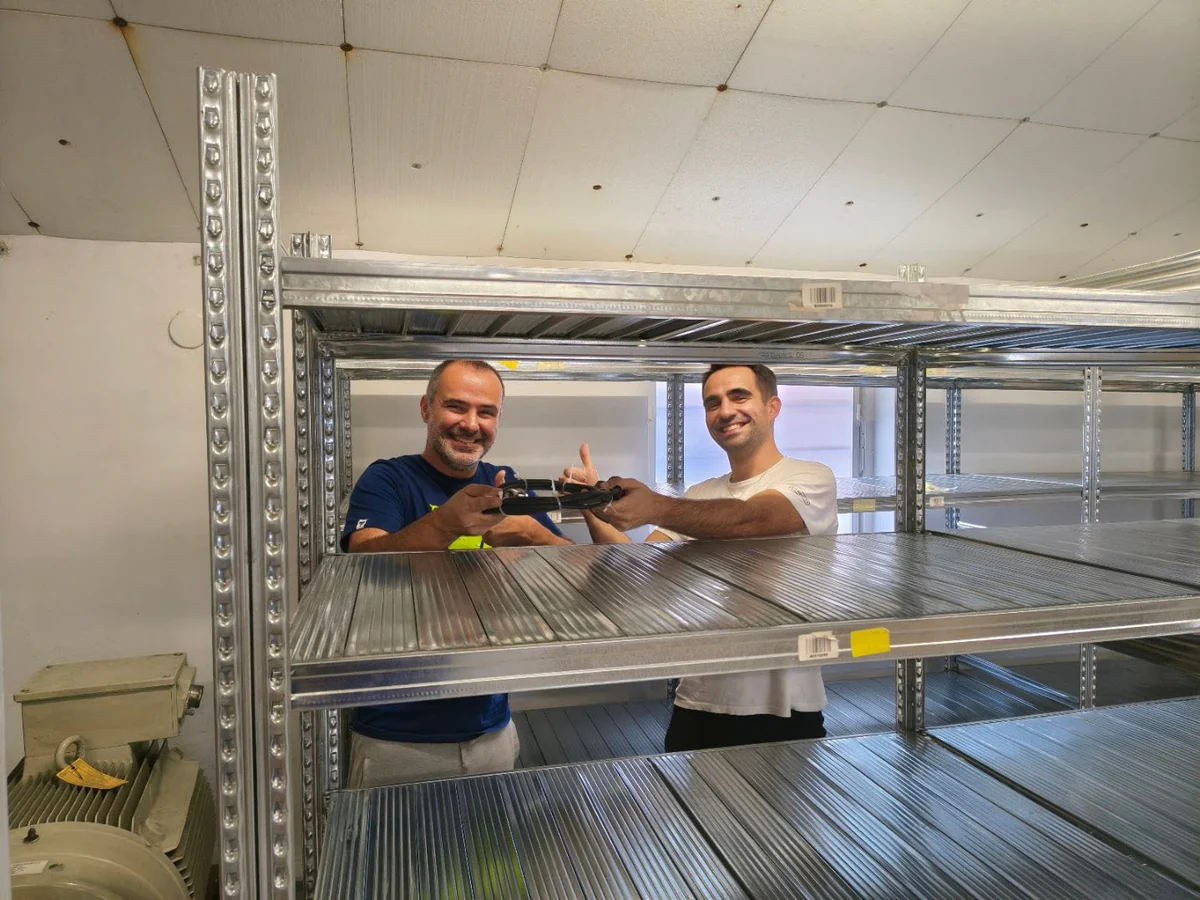
Customer Success Story · Industrial surplus reseller
How Gal-Industry accelerated onboarding and increased inventory turnover.
By automating intake and listing creation, Gal-Industry eliminated manual transcription and turned incoming inventory into sellable records faster.
Customer Success Story · Industrial automation distributor
How ADEGIS enriched product data and scaled e-commerce listings.
ADEGIS uses AutomaSnap to capture specs from nameplates, clean photos and prepare marketplace-ready listing data with a lean operations team.